

JEEVA course highlights 12 topics of yoga for optimal life under 4 lessons. Each topic covers a collection of 8 sutras of Maharshi Patanjali. Each lesson consists of 3 topics from each Pada of the Patanjali Yoga-sutras. The earlier 3 courses are based on Bhagavad-Gita which is also called as the Yoga-shastra. While the earlier 3 courses highlight the principles of sound body, sound mind and pure soul, this course highlights techniques of yoga for optimal life. Collectively these 4 courses cover the principles and techniques of Yoga from the Yoga- shastra and the Yoga-sutras respectively. In effect students will have a broad understanding of complete Yoga in other words the ‘PoornaYoga’.
It is essential to obtain the specially designed transliteration textbooks and graphic workbooks for the successful completion of the PoornaYoga Self-Learning Program. Students should complete the following tasks using the textbook and workbooks.
Textbook tasks: The PoornaYoga Self-Learning textbooks are available in multiple transliteration scripts such as Devanagari, Bengali, Gujarati, Kannada, Malayalam, Oriya, Punjabi, Roman, Tamil, Telugu and Urdu covering over 33 world languages. Students shall scan the QR codes inside the textbook to access the Self-Learning videos to practice the Shloka recitation and understand the Shloka meaning.
Workbook tasks: The workbooks are designed to stimulate interest and facilitate learning through graphic illustrations and interactive learning tasks. Students shall add colours to the graphic illustrations and describe them in own words. Students shall copy-write shlokas and meanings from the textbook to workbook.
The course completion certificate is awarded by the ‘Gita Vidya Peetam’ after the successful completion of each of the four courses namely DEHA, GNANA, YOGA and JEEVA. After completing all the four courses the student is awarded with the “PoornaYoga certificate”. Students should fulfil the following tasks in the same order;

1. Scan QR codes inside the textbook to learn the recitation and understand the meaning of shlokas / sutras.
2. Fill colours and describe the graphics in the workbook.
3. Copy verses and meanings from the textbook to workbook.
4. After completing the above tasks, students should get their workbook validated by a certified GitaVidya Saha-BODHAK.
5.Saha-BODHAK shall verify the student workbook and grant a validation code and note the student details in his code book.
6. Saha-BODHAK shall email a legible scanned copy of thevalidation page of the student workbook to GitaVidya.org@gmail.com and receive the certificate by post
The course calendar is customisable to suit the convenience and fit the time zone of every individual or institution. Students/Teachers can download this editable course calendar and set the date and time of each E-Class to customise it. The customised course calendar can be implemented to pursue the course.
This lesson covers 3 topics of yoga based on the sutras from the Samadhi pada of Patanjali Yoga-sutras. The first topic is the ‘Chittavritti Nirodha’ which presents the fivefold distractions of conscious and their remedy. The second topic is the ‘Ishwara Pranidhana’ which means to surrender oneself in devotion of the Ishwara. The third topic is ‘Chitta Santhi’ which highlights the methods of calming down the conscious.
This lesson covers 3 topics of yoga based on the sutras from the Sadhana pada of Patanjali Yoga-sutras. The fourth topic is ‘Kriya Yoga’ which highlights the three components of Kriya-Yoga. The fifth topic is ‘Bahiranga Yoga’ which presents the limbs of Yoga that are physical in nature. The sixth topic is ‘Pratipaksha Bhavana’ which presents the mechanism of using the opposite reaction to neutralise distortions.
This lesson covers 3 topics of yoga based on the sutras from the Vibhuti pada of Patanjali Yoga-sutras. The seventh topic is ‘Antaranga Yoga’ which presents the limbs of Yoga that are psychic in nature. The eighth topic is ‘Samyama’ which highlight the power of Yoga in attaining transcendental wisdom. The ninth topic is ‘Satva Purusha’ which differentiates between the Satva and Purusha.
This lesson covers 3 topics of yoga based on the sutras from the Kaivalya pada of Patanjali Yoga-sutras. The tenth topic is ‘Smriti Samskara’ which differentiates between Smriti and Samskara. The eleventh topic is ‘Chitta Bedha’ which explains how different Chittas result in different perceptions of same reality. The twelfth topic is ‘Chitta Shakti’ which explains the power of conscious and its culmination in soul upon attaining Kaivalyam.
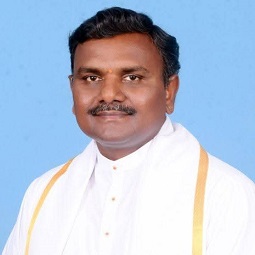
‘Gita Vidya Peetam’ had been offering the ‘PoornaYoga program’ in India, Europe and America since 2020 to distil the eternal wisdom of Bhagavad-Gita and Patanjali-Yoga under four courses namely DEHA, GNANA, YOGA and JEEVA. All four courses are available in a single textbook. Each course has a separate workbook. PoornaYoga textbook and workbook are essential to participate and complete the program. The textbook provides an introduction to the theory and free access to the E-Class videos. Workbooks enhance the understanding and examine the progress of the student through practical tasks and project work. After fulfilling the workbook tasks and project work students shall receive the PoornaYoga course completion certificate from the Gita Vidya Peetam.

 DOCX
DOCX PDF
PDF